
 TR
TR
A picture is worth a thousand words.
- Home
- Gallery
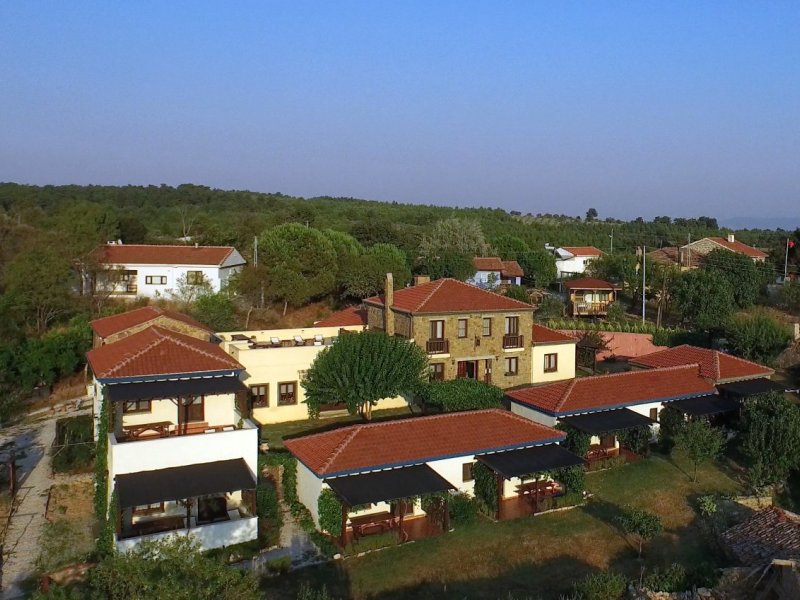
the Accommodation
Designed with modesty yet fitted-out with everything necessary for a comfortable stay, offering views of the 800m2 gardens and countryside beyond and to preserve the harmony with this small farming community much attention was given to the overall design of the buildings to blend in with the surroundings.
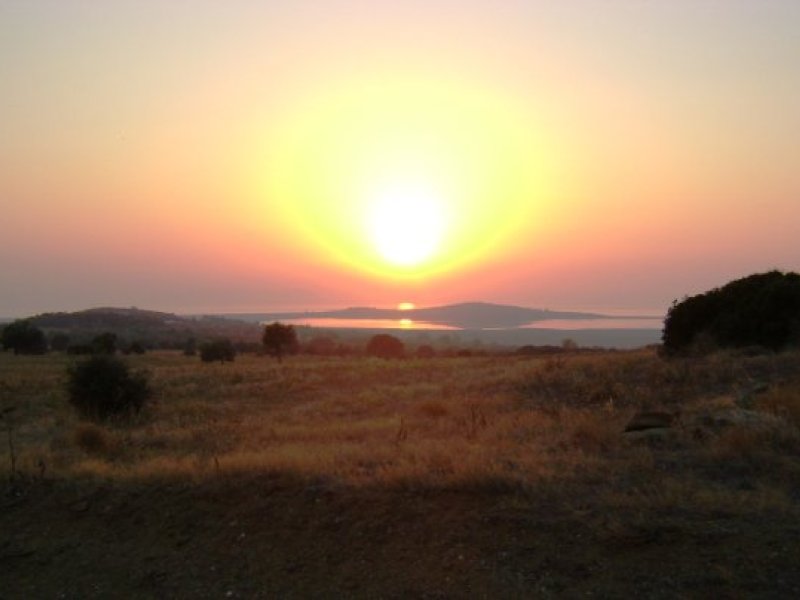
the Peninsula
For nature lovers the Gallipoli National Park offers a great "Aegean" feel, similar to the south of France yet untouched by the 21st century. One comes across shepherds herding their flock, farmers working the land and sleepy villages where the only sign of life comes from the village cafe. Wildflowers bloom in spring and give the peninsula a colourful carpet. In summer, this carpet turns yellow with the thousands of sunflowers that are grown by the farmers. And although there are no sign-posted walking trails there is plenty of opportunity for hiking in unspoilt countryside.
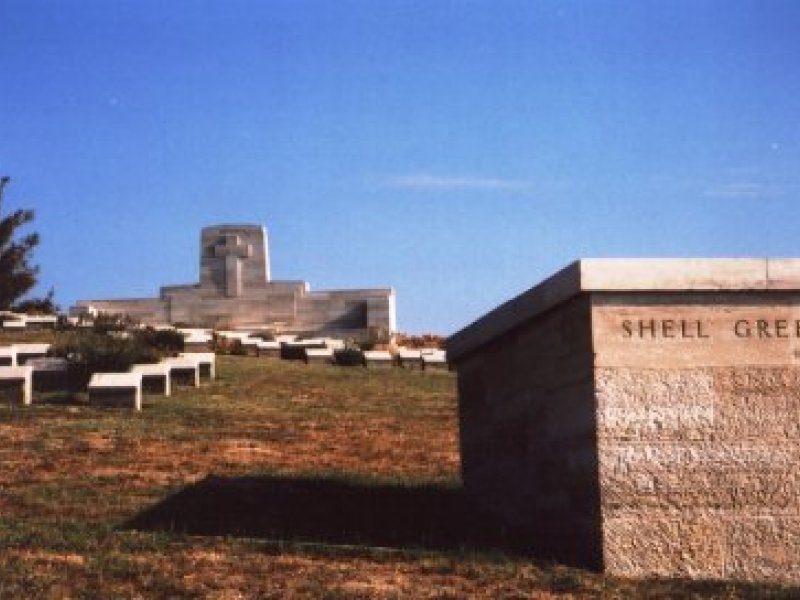
the Battlefields
The Gallipoli Gallipoli houses is right in the middle of the three battlefields with Suvla to the North, Anzac to the West and Helles to the South. If possible, allow a few extra days to walk the battlefields. Not only are these hikes of historical value but they also offer beautiful scenery and with a bit of luck a glimpse at the local wildlife.
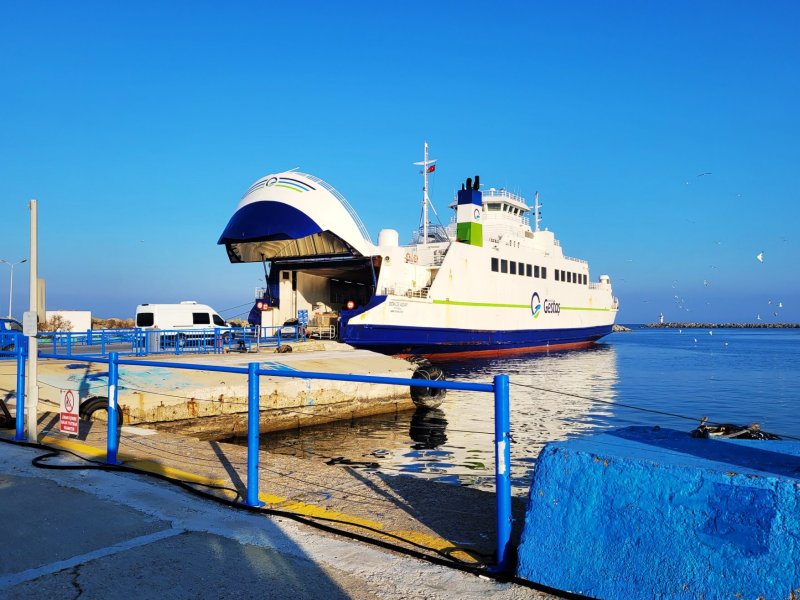
Beyond the battlefields
It should be mentioned that there are a few points of interest which may enhance your visit to the battlefields or even make you stay a day or two longer. The Gallipoli National Park offers a great "Mediterranean feel” and once away from the frequently-visited memorials and cemeteries, one comes across shepherds herding their flock, farmers working the land and sleepy villages where the only sign of life comes from the village cafe. Wildflowers bloom in spring and give the peninsula a colourful carpet. In summer, this carpet turns yellow with the thousands of sunflowers that are grown by the farmers. Birdwatchers will not regret they brought their binoculars : a multitude of resident birds can be observed and both in Spring and Autumn there is extra activity near the Suvla salt lake where migratory birds take a short break on their way North - in spring- or South - in autumn-. Only a few miles away, across the Dardanelles are the famous historical sites of Troy and Alexandria Troas which can easily be visited in a day trip. The nearby Island of Gokceada, Imbros in Greek, can be visited by ferry as a daytrip from the Gallipoli Peninsula. The villages, some thriving, some abandoned, are a hodgepodge of Greek and Turkish with idyllic squares, old stone houses, churches and mosques and richly-scented fig trees. And last but not least, if you are looking for a few days relaxation away from the crowds, the Gallipoli peninsula is home to some of Turkey's last remaining pristine beaches which don't get crowded, even in summer. Click here to see pictures of signs on and around the Gallipoli Peninsula
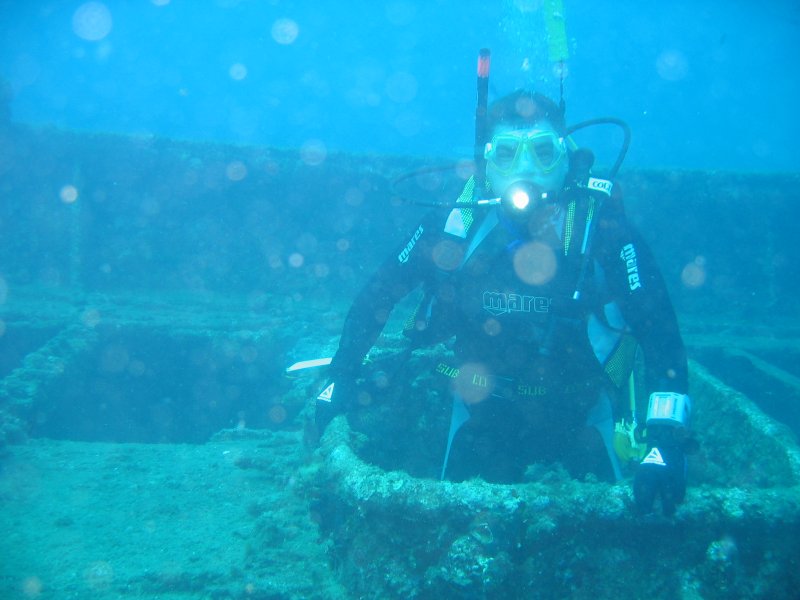
Diving in the Dardanelles
Diving in Gallipoli offers a world-class wreck diving experience at the meeting point of the Aegean Sea and the Dardanelles Strait. The park protects 14 WW I shipwrecks (among other wrecks) accommodating both shallow (up to 40 meters) recreational descents and technical deep-dives (down to 84 meters). Some of the most interesting wrecks: HMS Majestic: a 120-meter British Royal Navy battleship sits at a depth of 24 meters (Cape Helles). Massena & Le Saghalien: located at a shallow 5 to 7 meters in Ertuğrul Bay (Cape Helles). HMT Lundy: an intact British minesweeper resting at 27 meters inside Suvla Bay. SS Milo: it was used by the British Navy as a support vessel, supplying materials to the troops stationed at Anzac Cove. Today, lying at a depth of only 5 meters, it is still visible from the surface. HMS Triumph: a deep-lying British battleship resting at 56 to 72 meters. This site is reserved strictly for advanced technical, closed-circuit rebreather (CCR), or rimix divers.